

Navigating Regina’s Extreme Cold: A Practical Guide for Newcomers
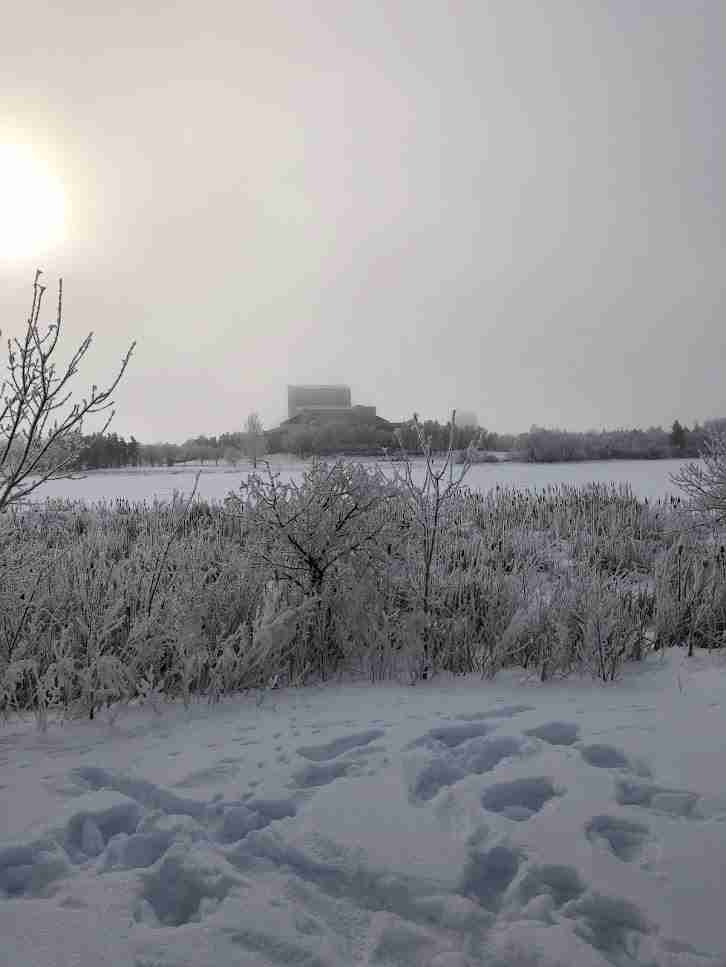
Welcome to Regina—where winter can be frigid, but the community spirit is always warm! Despite our friendly atmosphere, temperatures in Regina can drop low enough to make you think you’ve stepped onto another planet. But don’t worry—by learning how to dress properly, understand extreme cold temperatures, and stay safe on the roads, you’ll be ready to brave any cold snap that comes your way. Let’s dive into these winter survival tips so you can enjoy everything this wonderful city has to offer—even when it’s freezing outside!
Cold vs. Extreme Cold
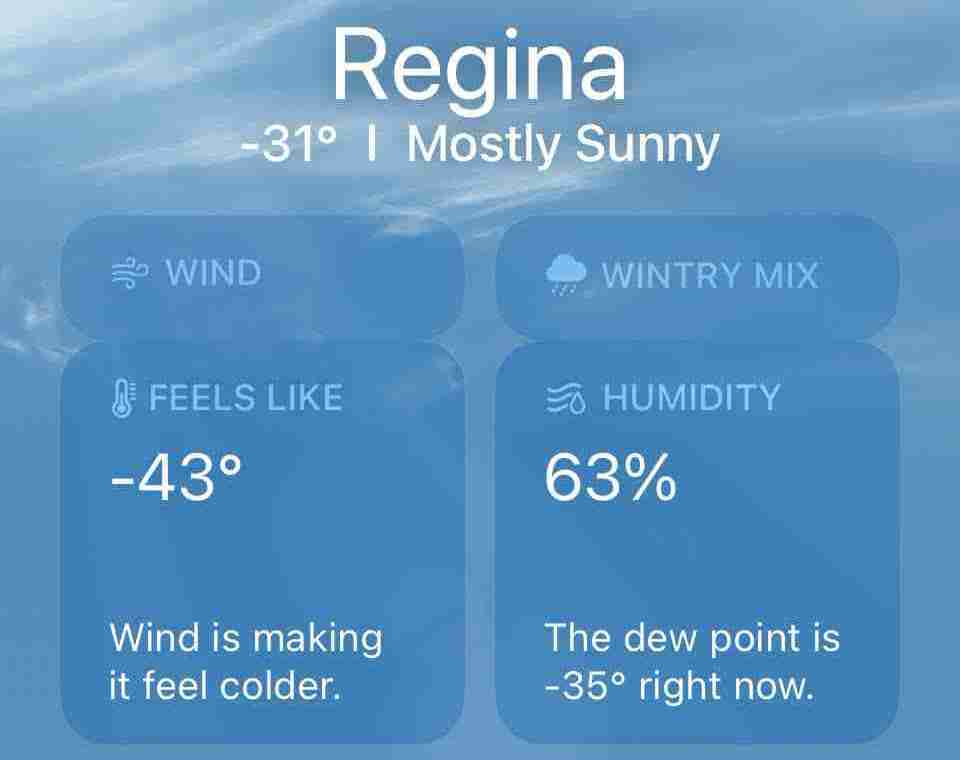
In Saskatchewan, the temperature can vary a lot during the winter months. It’s common to see days around -10°C to -15°C, which most locals consider just “cold.” However, when the temperature drops below -20°C—especially with strong winds—it crosses into “extreme cold” territory.
- Cold Temperatures (-10°C to -15°C):
You’ll definitely need a winter coat, gloves or mittens, and a warm hat. If you dress in layers and limit time outdoors, you’ll generally stay safe. - Extreme Cold (Below -20°C):
This is when it becomes even more important to cover exposed skin and use heavier layers. Wind chill can make it feel like -30°C or colder, increasing the risk of frostbite and other cold-related injuries.
Understanding the difference helps you decide how many layers to wear, how long to stay outdoors, and how best to prepare your vehicle. Always check the wind chill factor in weather reports because it can make a big difference in how cold it actually feels outside.
Dressing for the Cold

Layer Up
Wearing multiple layers traps warm air close to your body. Begin with thermal underwear or base layers, add a warm sweater or fleece, and finish with a waterproof, windproof jacket.
Cover Your Head and Hands
A significant amount of body heat escapes through your head. Wear a hat or toque, and don’t forget gloves or mittens. A scarf or neck warmer can protect your face and neck from chilly winds.
Choose Proper Footwear
Insulated, waterproof boots with good traction help you stay warm and avoid slips on icy sidewalks. Wool or thermal socks add extra heat retention.
Why Plug In Your Car
In Regina, you’ll often see vehicles with cords hanging out of the front bumper. These cords connect to a block heater that warms your car’s engine, making it easier to start in extreme cold.
- How to Use It: Find the small plug in the front of your car and connect it to an outdoor outlet or an extension cord rated for cold weather.
- When to Plug In: If temperatures drop below -15°C, plug your car in for a few hours before driving. Without a garage, you may need to use a timer or park close to a building where an outlet is available.
Frostbite and Hypothermia
Frostbite
Frostbite occurs when skin and tissues freeze. It often affects fingers, toes, ears, and noses. Symptoms include numbness, tingling, or a pale/grayish skin tone. If you suspect frostbite, move to a warm place and seek medical attention if it doesn’t improve quickly.
Hypothermia
Hypothermia happens when your body temperature dips below normal. Common signs include severe shivering, confusion, and loss of coordination. If you notice these signs in yourself or others, seek medical help immediately.
Remember:
Regina winters may feel intimidating at first, but with the proper preparation, you can stay safe and even enjoy the chilly season. By recognizing the difference between cold and extreme cold, dressing in layers, plugging in your car, and watching out for signs of frostbite and hypothermia, you’ll be well on your way to thriving in any cold snap. Remember, the Regina Open Door Society is here to help newcomers adapt to life in Regina, so don’t hesitate to reach out for additional support and resources. Stay warm, stay informed, and enjoy all that Regina has to offer—even when it’s freezing!

